What Is a Home Energy Audit?

When the heating bill arrives in the middle of a Burlington winter, it is natural to wonder where all that energy is going. A home energy audit helps answer that question. It looks at how your home uses energy and where it is losing heat or cool air, so you can decide which improvements will make the biggest difference.
What a Home Energy Audit Looks At
A professional energy audit is done by a qualified energy advisor. While the details vary, an audit typically looks at:
- How airtight your home is, and where air is leaking in or out.
- Insulation in the attic, walls and basement.
- Heating, cooling and ventilation equipment.
- Doors and windows, including seals, frames and glass.
Many advisors use a blower door test, which depressurizes the house so leaks are easier to find. You come away with a report that shows where your home is losing energy and which upgrades are worth considering.
When an Energy Audit Makes Sense
An audit is especially useful:
- Before a renovation. Know where the problems are before you spend money.
- Before replacing a furnace or air conditioner. A tighter home may change what size of equipment you need.
- When bills jump. A sudden increase can point to a problem.
- When rooms are uncomfortable. Cold spots and drafts are clues.
- Before selling. Buyers appreciate knowing how efficient a home is.
A Simple DIY Check You Can Do Today
You do not need special equipment to find some of the most common problems.
- Feel for drafts. On a cold, windy day, hold your hand near door and window edges, electrical outlets on exterior walls, and baseboards.
- Look for daylight. Close exterior doors and check for light around the frame and under the door.
- Check weatherstripping. Look for cracked, flattened or missing pieces on doors and windows.
- Inspect caulking. Look for gaps where window and door frames meet the exterior wall.
- Check the glass. Fog between panes means a failed seal.
- Look in the attic. Thin or uneven insulation is a common source of heat loss.
Write down what you find. Even if you plan to book a professional audit, this list gives you a head start.
When Doors and Windows Are the Problem
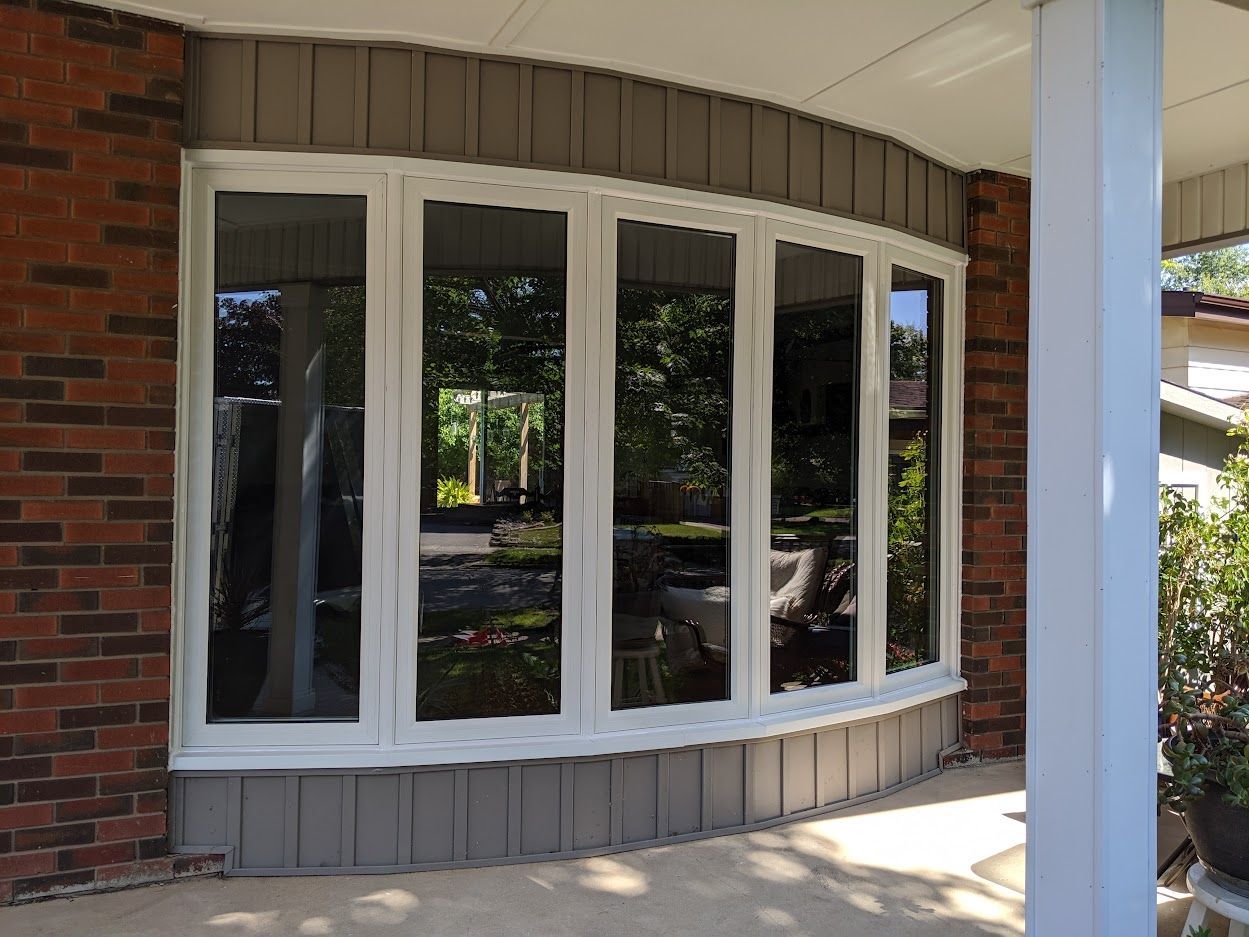
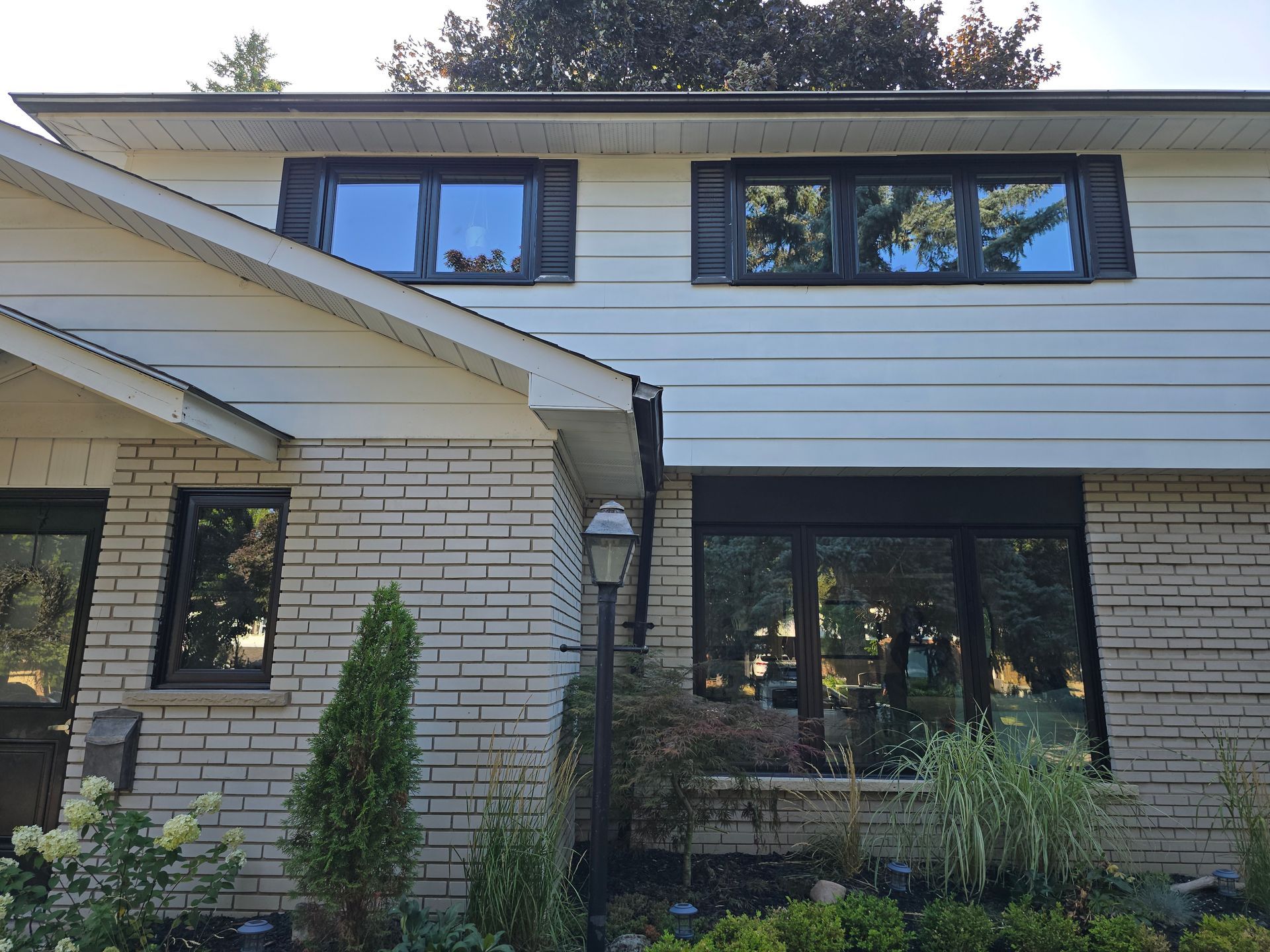
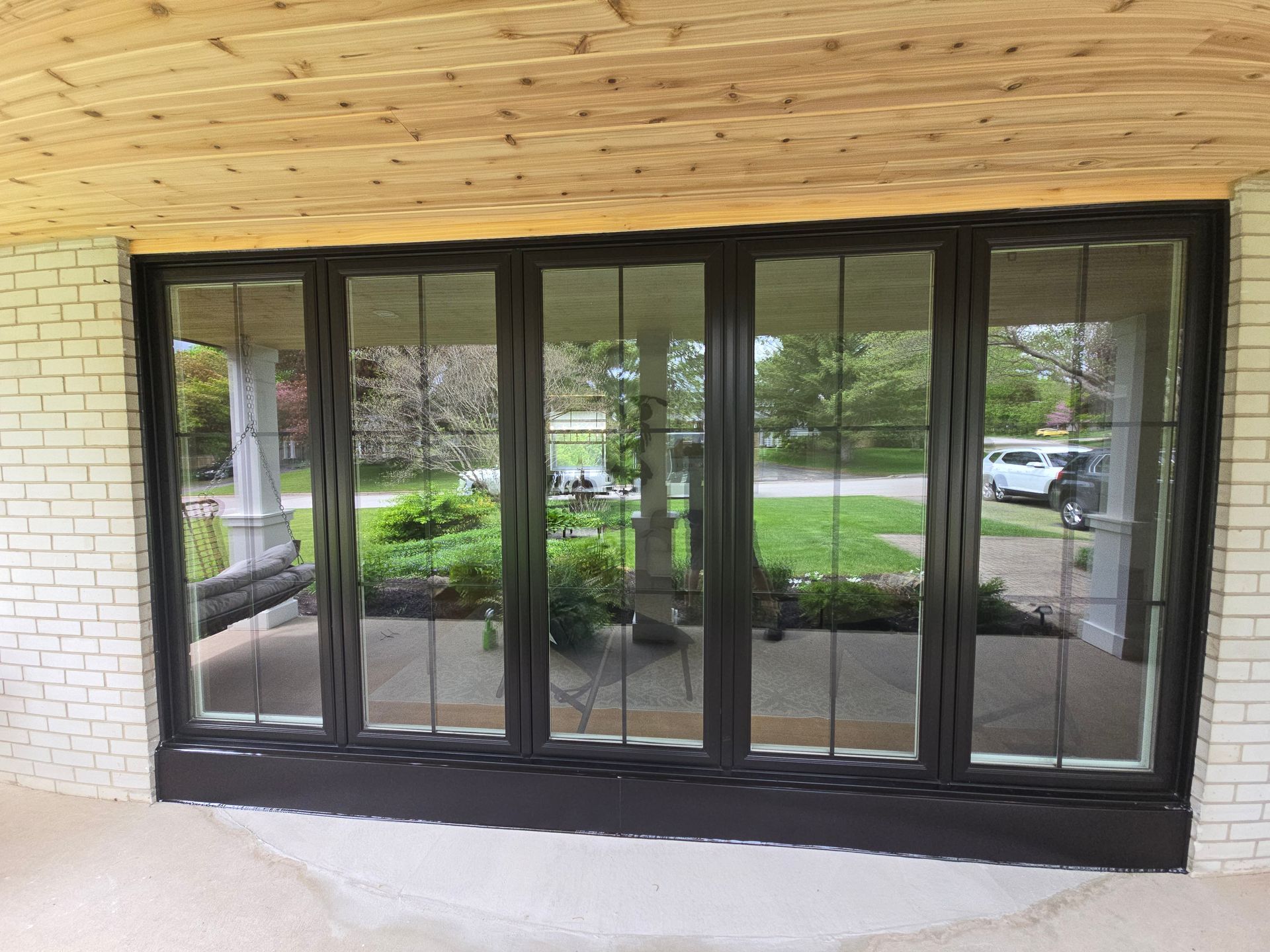
If your audit or your own check points to drafty doors and windows, small fixes like new weatherstripping and fresh caulking may help. When the door or window itself is failing, replacement is often the better long-term fix.
At The Door Centre, we install:
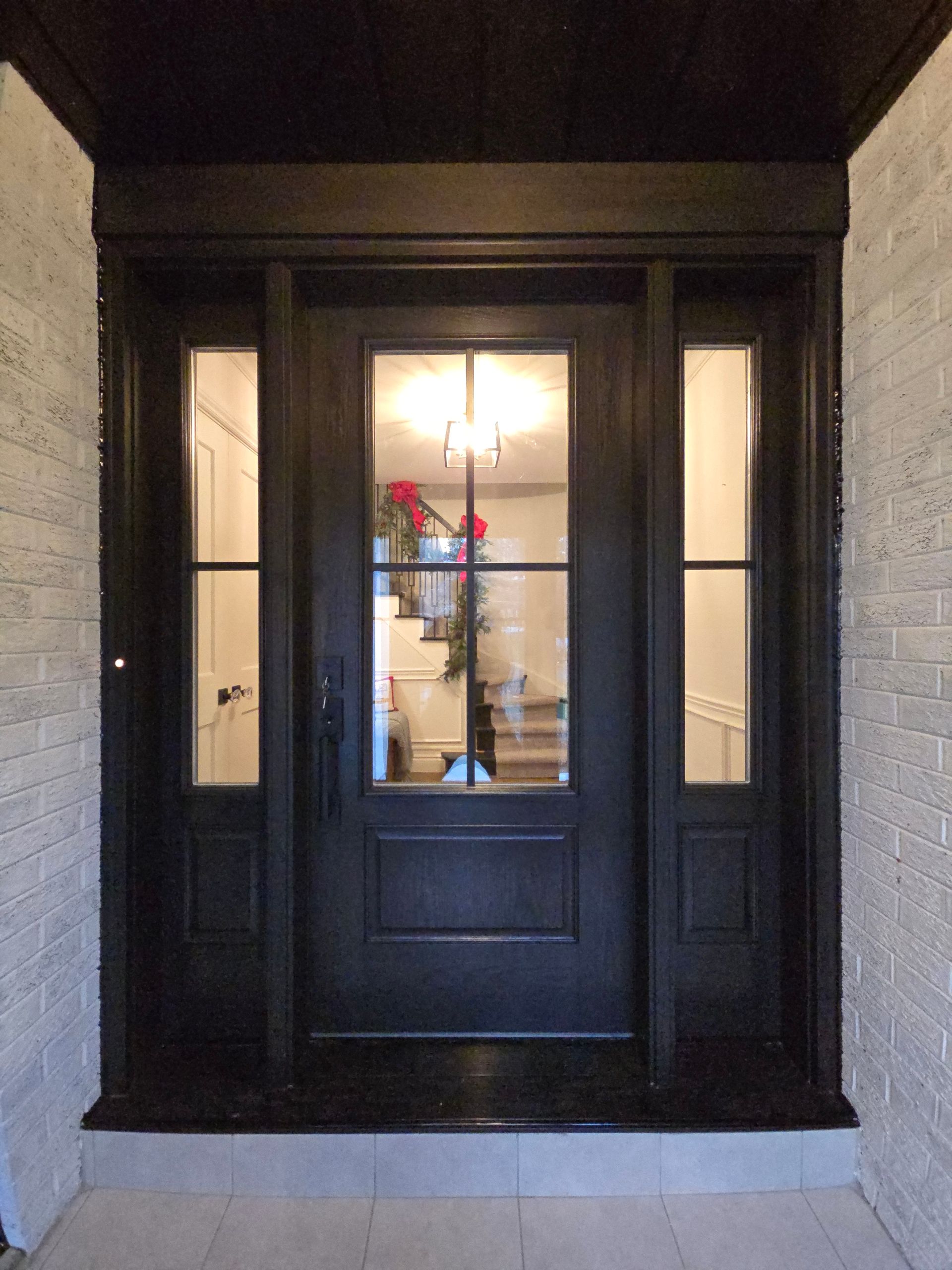
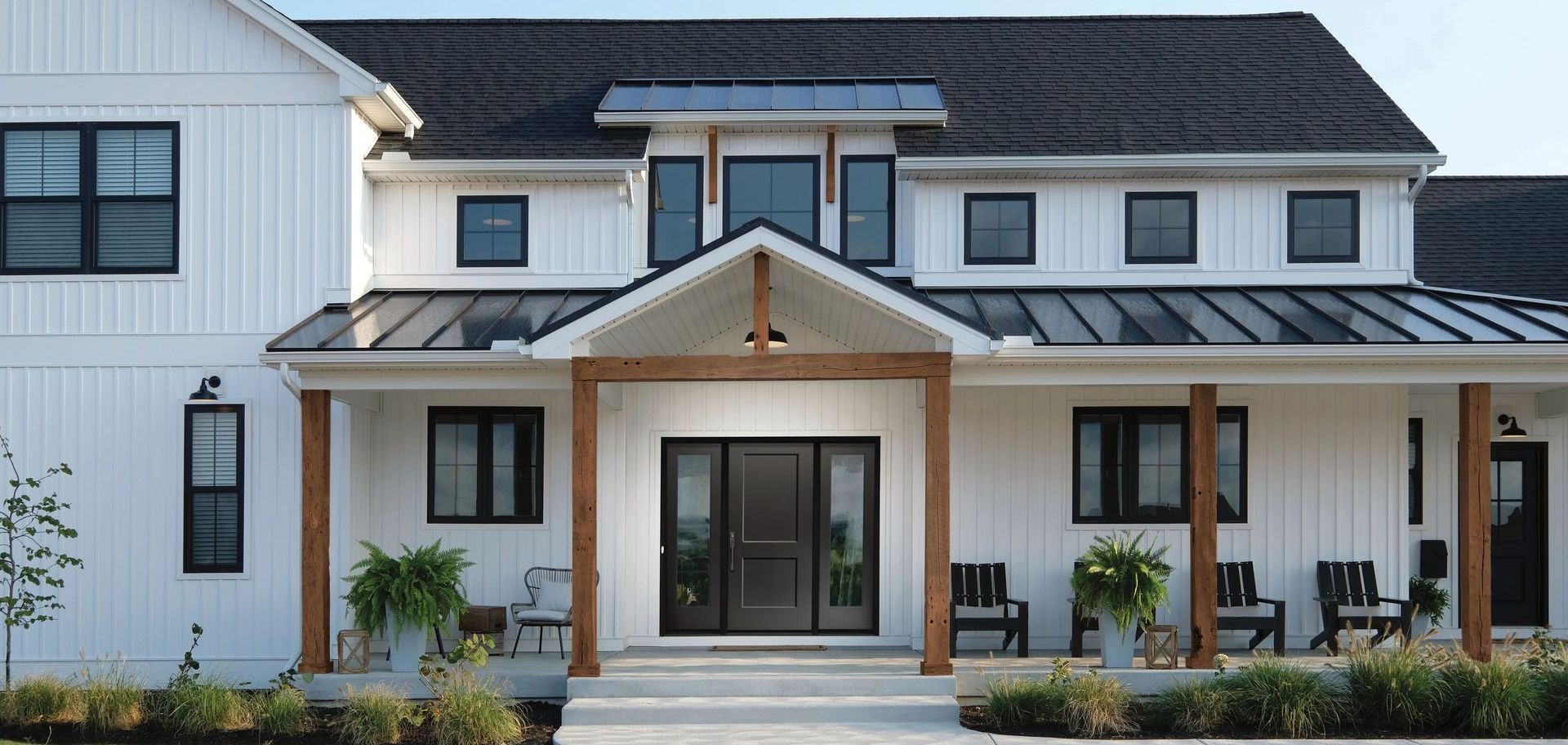
- Therma-Tru fiberglass entry doors in the Classic-Craft, Smooth-Star and Pulse collections. Most front door projects range from $3,500 to $8,000+ installed.
- Windows by Frank Windows and Doors, backed by a lifetime non-limited, non-prorated warranty.
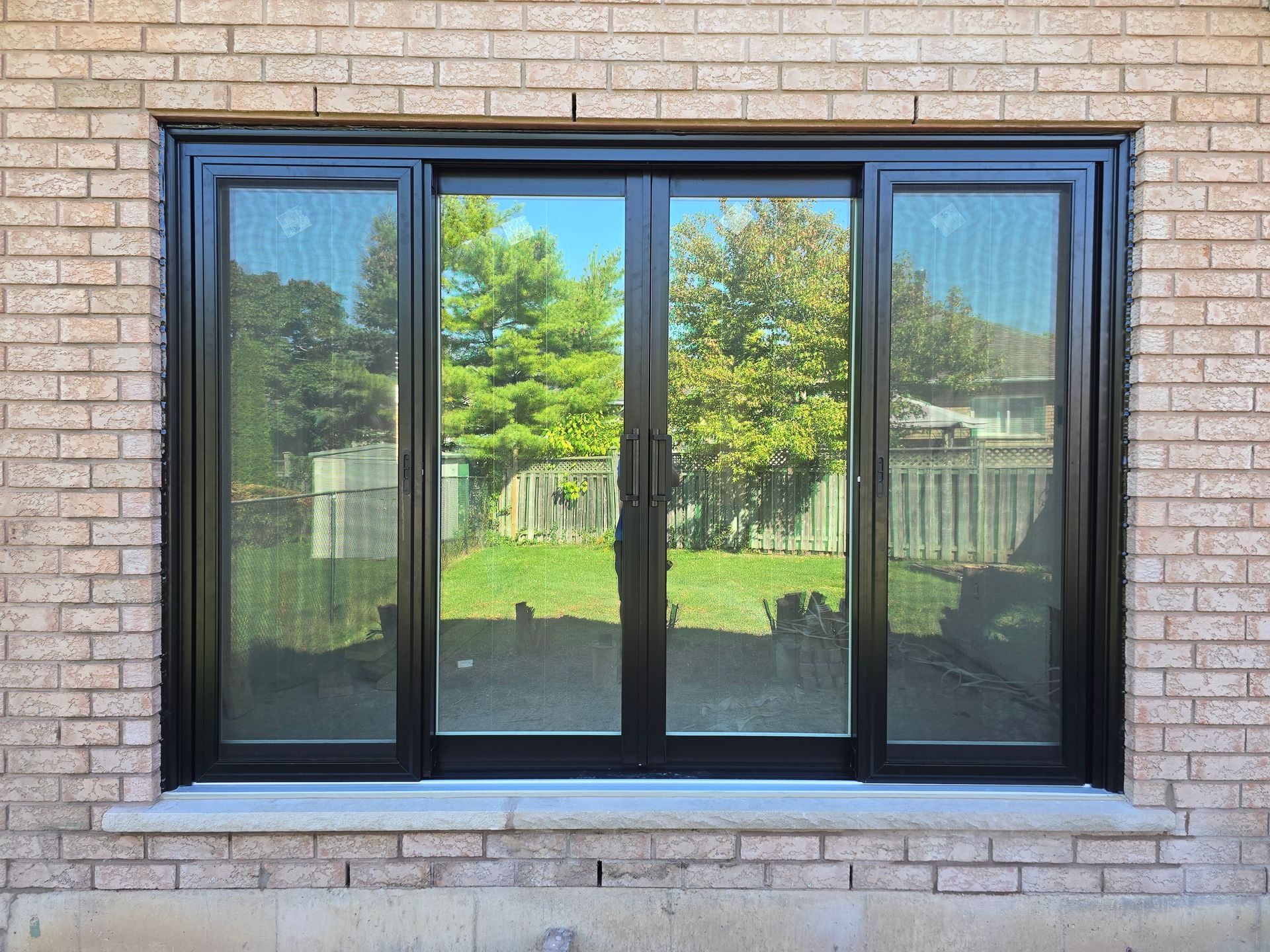
- Sliding patio doors, which typically take just 2 to 3 hours to install.
Every installation is backed by our 10-year installation workmanship warranty.
Frequently Asked Questions
Can I do my own home energy audit? You can do a basic walk-through to find drafts and obvious problems. A professional audit adds testing equipment and a detailed report.
Will new doors and windows fix every energy problem? No. They address air and heat loss through openings. Insulation, ventilation and equipment matter too, which is why a full audit is helpful.
Where should I start? Begin with the areas where you feel drafts or see damage, then prioritize based on your audit results.
Talk to The Door Centre
If your audit points to your doors or windows, we can help. Visit our showroom at 4280 Harvester Rd, Burlington, call 905-333-4044 or email info@thedoorcentre.ca to book your free quote.